
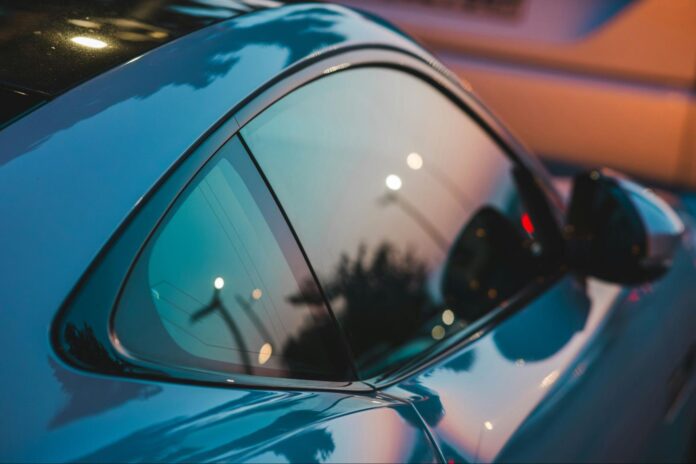

Most of the thinking about window tint happens before the appointment, and most of the mistakes happen after it. Owners choose a film, hand over the keys, and then discover they were never quite sure what the rules were, how long the film needed to settle, or what was safe to wipe it with. Walking through the process in order makes each step easier.
Before the Booking
The first thing worth settling is what is allowed. The International Window Film Association, an industry body, advises consumers to become familiar with local laws before deciding on installation, and notes that some places can fine the vehicle owner or require the film to be removed if it does not meet the rules. The practical lesson is that the legal limits belong to the state or territory, so Queensland owners are best served by checking with the state transport authority and asking the installer to explain how a chosen film sits within those limits.
It also helps to decide what the tint is for. Some people want a more comfortable cabin, others want privacy or a tidier look, and the answer shapes which film makes sense. A clear goal makes the conversation with the installer much more useful.
On the Day
Anyone arranging car window tinting in Brisbane will find that most of the work on the day is done by the installer, not the owner. According to the Association’s consumer brochure, the installer uses a squeegee and other tools to smooth the film against the glass and to remove water and any bubbles.
The owner’s job is mostly to ask questions while the car is there. What film is being used, and what care does it need? Written care instructions are easy to request and handy to keep in the glovebox.
The Settling-In Period
Film is applied using moisture, and the brochure explains that this moisture needs time to cure or dry out. It adds that the time depends on the thickness of the film and the specialised coatings on it, and that typical cure times can be longer or shorter depending on climate and where the vehicle is kept.
There is no single figure that applies to every film, which is why the installer’s advice for the specific product is the one to follow. The sensible approach in the meantime is to treat the windows gently and to ask the installer what to expect, including what is normal while the film settles and what would be worth bringing back to them.
Cleaning Without Harm
Cleaning is where well-meaning owners most often slip. 3M’s care guidance for window film says never to use an ammonia-based cleaner on tinted windows, because ammonia will wear down the tint over time. It also advises staying away from abrasive polishes, detergents and cutting compounds.
The preferred method is plain. Hand wash when possible, use a clean microfibre cloth, remove excess water promptly with a silicone squeegee and finish drying with a clean microfibre cloth. The same guidance cautions that brush car washes may scratch or lift the edge of the film, which is a good reason to stay with a hand wash.
Habits That Help Over Time
Most of what keeps tint looking good is ordinary. Wipe the glass with a soft cloth, avoid scraping at edges with fingernails or hard objects, and be careful with stickers or anything that could catch a corner of the film.
If something does look off, the first stop is the installer, who knows what was fitted and what it came with. Keeping the receipt and any written care or warranty information in one place makes that conversation easier.
Thinking About the Whole Process
Window tint is a small job in the scheme of owning a car, but it benefits from some attention at each stage. Knowing the rules beforehand, asking a few questions on the day, giving the film time to settle and cleaning it with the right materials are all simple steps.

